La Verne highlight
Historic foothill community
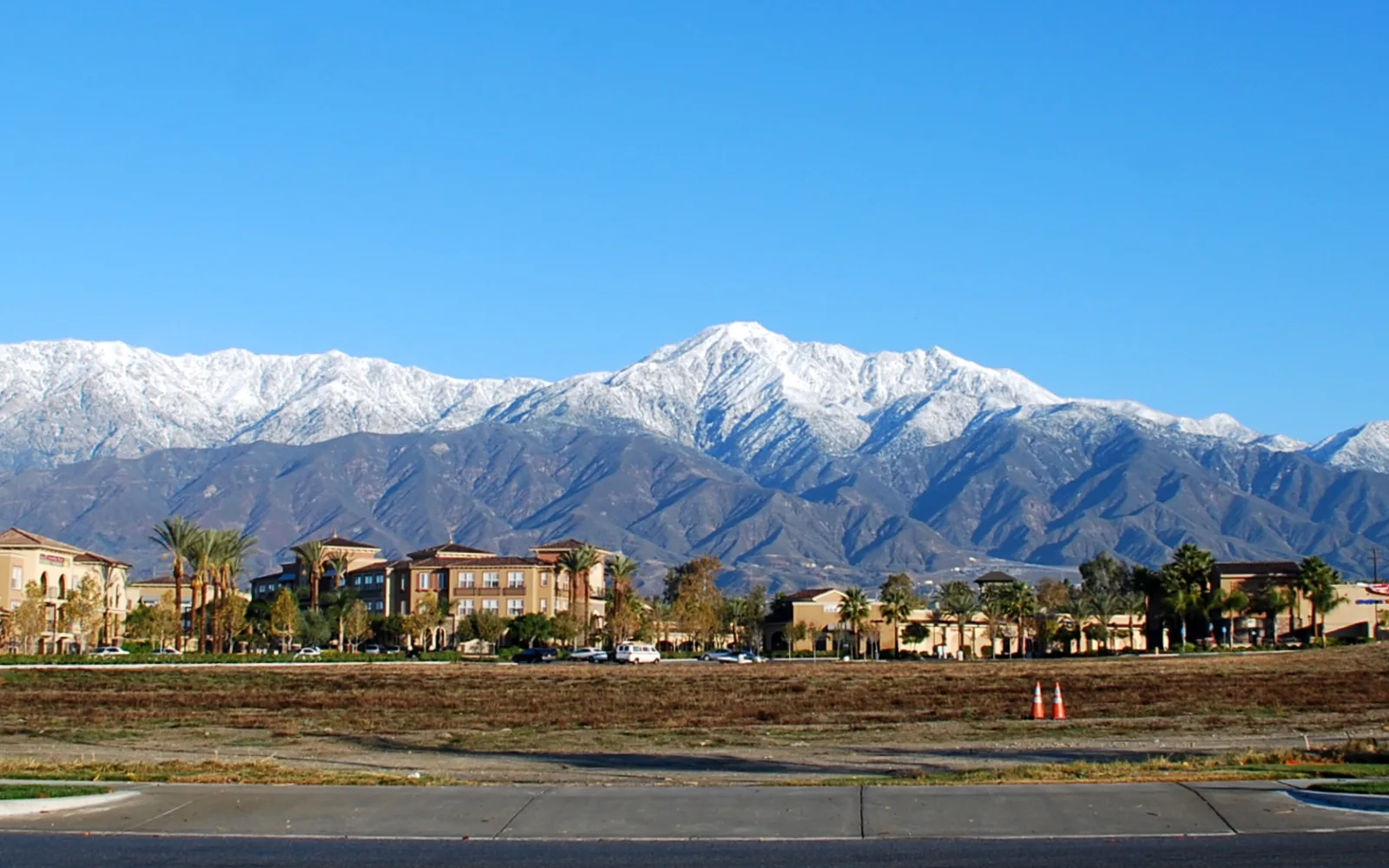
Founded as Lordsburg in 1887 by entrepreneur Isaac W. Lord, La Verne sits in the Pomona Valley between the San Gabriel Mountains and developed from a citrus farming center into a residential community.
La Verne was incorporated on August 20, 1906. The site was first settled in the 1880s when Isaac W. Lord, an entrepreneur seeking to establish a new town, purchased land from the descendants of the original Mexican land grant holders and founded Lordsburg in 1887. The town grew around the Santa Fe Railroad arrival and the establishment of Lordsburg College in 1891, a Church of the Brethren institution that would later become the University of La Verne.
The city occupies a strategic location in the Pomona Valley, nestled below the San Gabriel Mountains and approximately 30 miles east of downtown Los Angeles. The valley itself was home to Gabrielino and Serrano peoples before European settlement. For decades, the region was known for citrus cultivation, with residents transitioning from field crops to thriving citrus orchards that supplied markets throughout Southern California. The presence of Historic Route 66, the former main thoroughfare from Chicago to Santa Monica established in 1926, bisects the community and remains a visible trace of La Verne's role in the region's mid-twentieth-century development.
A community defined by both its historical legacy and its role as a residential center, La Verne's character reflects its layers of history. The families who have made their homes here—whether in early twentieth-century neighborhoods or newer residential development—are building the same kind of legacy that earlier settlers did when they chose this location. Life insurance planning recognizes this continuity: protecting the household you have built and the people who depend on the stability you provide is how families preserve their own long-term plans.